
Loading...
Serving Upland, CA and surrounding areas. (909) 755-8985
A brick wall is one of the most permanent things you can add to your property. We build them with the footings, reinforcement, and mortar mix that Upland soil and seismic conditions require.
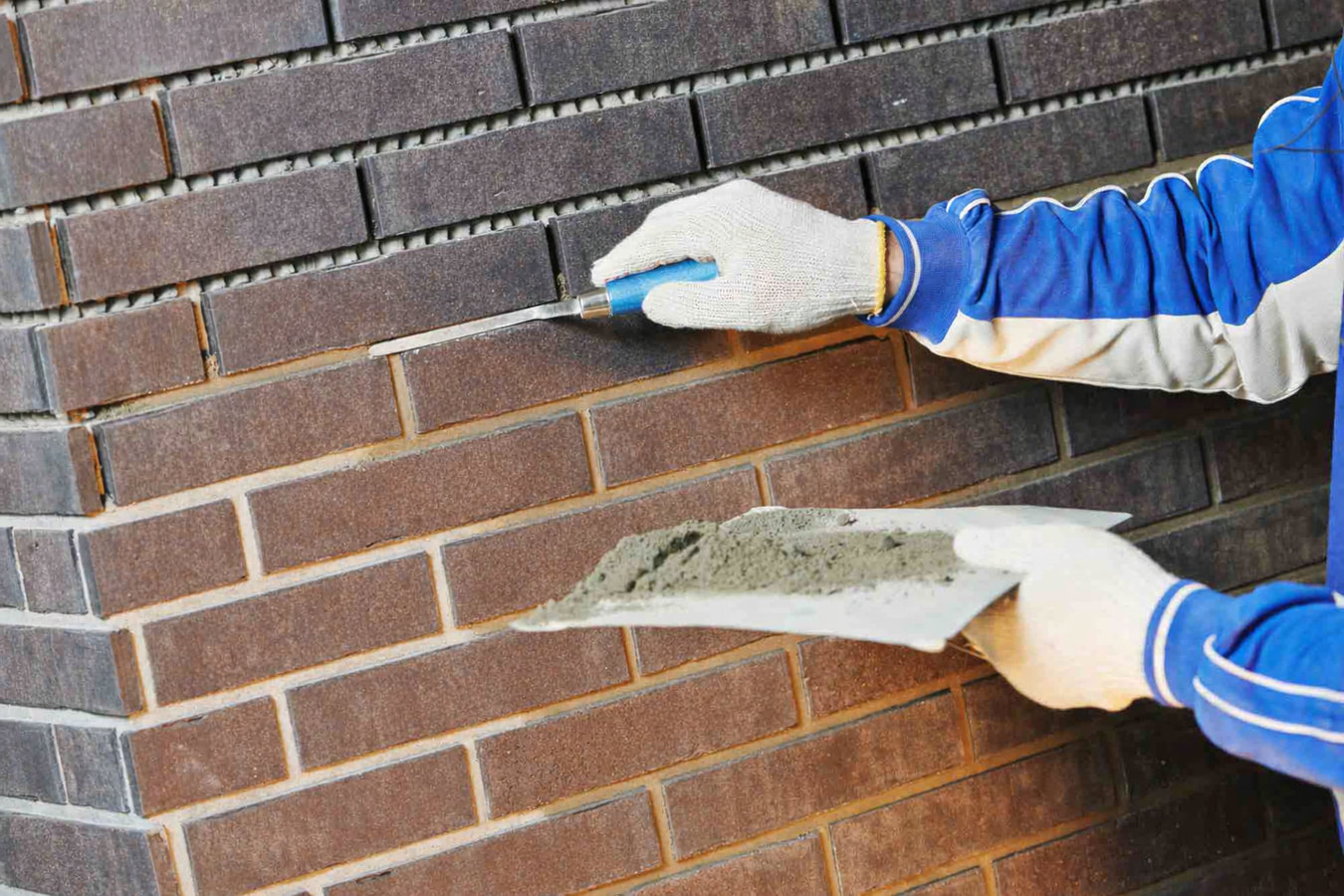
Brick wall installation in Upland means digging a concrete footing, laying individual bricks one row at a time in properly mixed mortar, and including the steel reinforcement that California's seismic requirements demand. A typical residential project - a garden wall, a boundary wall, or a raised planter - takes one to five days of active work once permits are in hand.
The work is more involved than it looks because every brick has to be level, plumb, and properly spaced, and the footing underneath has to be sized for Upland's clay-heavy soil. A wall with a shallow footing will show cracks within a few years as the ground expands and contracts with the seasons.
If you are comparing your options, brick walls are a more permanent, lower-maintenance choice than wood or vinyl fencing. For homeowners dealing with crumbling mortar on an existing wall rather than a full new installation, our brick repair service may be the right first step.
Stand at one end of your wall and look down its length. A lean of even a few inches is a warning sign that the foundation has shifted or the mortar has failed. In Upland, the clay soils that expand and contract with seasonal rain and drought are a common cause of this movement. A leaning wall does not always need to come down immediately, but it does need a professional eye before it gets worse.
Run your finger along the joints between bricks. If the mortar feels soft, sandy, or flakes away easily, it is no longer doing its job. This kind of deterioration is common in older Upland homes - especially those built in the 1960s through 1980s - where the original mortar has reached the end of its life. Left alone, crumbling mortar lets water in and speeds up the damage significantly.
If you are landscaping a sloped section of your yard or building a raised planter bed, a brick retaining wall is often the right structural solution. Upland's hillside and foothill neighborhoods frequently have grade changes that need to be held back properly, and a poorly built retaining wall can fail under the weight of wet soil. Getting it right the first time matters here.
Southern California's pattern of long dry spells followed by intense winter rain is hard on masonry. The soil swells when the rain arrives, pushing against footings that settled during the dry months. If you noticed new cracks in a brick wall after recent rains, that is a signal worth taking seriously - small cracks grow quickly once water gets inside.
We build brick walls for every residential purpose - boundary walls along property lines, garden and planter walls, retaining walls on sloped lots, and decorative walls that frame a driveway or front yard. Every wall starts with a concrete footing sized for your specific soil and wall height. In Upland's seismic zone, we include steel reinforcement and grout-filled cores on all walls - not just on the ones that require a permit, but on every project. That reinforcement is what makes a brick wall in earthquake country genuinely safe.
If you have an existing brick wall that is crumbling or cracked but structurally sound, our brick repair service may be a cost-effective alternative to a full replacement. For homeowners who want a natural stone look instead of brick, we offer the same footing-first approach through our stone masonry service.
Best for homeowners who want a permanent, low-maintenance alternative to wood fencing along property lines.
A good fit for homeowners who want to define planting areas, raise garden beds, or add a finished look to front or back yards.
Ideal for sloped lots where soil needs to be held back - especially in Upland's foothill neighborhoods where grade changes are common.
Upland is in a high seismic hazard area of San Bernardino County, which means brick walls here must be reinforced with steel and filled with grout to meet California building standards. This is not optional - and it is genuinely protective. A wall built to these standards is far less likely to topple during a significant earthquake, which matters when the wall is near a walkway, driveway, or play area. Upland also sits on expansive clay soils in many neighborhoods, which means footings need to be deeper than in sandier areas to resist the seasonal movement that causes walls to crack and lean over time.
Upland's summers regularly push past 95 degrees, and that heat can cause freshly laid mortar to set too fast - a condition that weakens the bond between bricks. We schedule brick work for early morning during warm months and use mortar mixes suited to the heat. We serve homeowners throughout the area, including those in Ontario and Rancho Cucamonga who face the same soil and seismic conditions as Upland.
We reply within one business day. We ask a few quick questions about the wall's purpose, approximate length, and whether there is an existing wall to remove. No commitment needed at this stage.
We come to your property, look at the soil, measure the wall line, and check for underground utilities or irrigation. You receive a written proposal that breaks down what is involved and what it will cost before any decision is made.
We handle the permit application with the City of Upland. Once approved - typically one to two weeks for a standard residential project - we dig the footing trench, pour the concrete base, and let it cure before any brick goes down.
We lay each course of brick with steel reinforcement running through the wall and grout-filled cores. After the final brick is laid and mortar joints are tooled, we clean the site and schedule the city inspection if required by the permit.
We come to your home, look at the site, and give you a written estimate with no obligation. Most homeowners hear back from us within one business day of reaching out.
(909) 755-8985We dig deeper and wider than contractors used to sandier soil, because Upland's clay-heavy ground expands and contracts with every wet and dry season. A footing that does not account for that movement will allow your wall to crack and lean within a few years - and fixing it later costs far more than doing it right the first time.
Every wall we build in Upland includes the steel and grout reinforcement required for this seismic zone - not just on permitted projects, but on all of them. California Geological Survey maps confirm Upland falls in a designated seismic hazard zone - a wall built to those standards is a wall that stays standing.
We manage the City of Upland permit application and final inspection from start to finish. If you are in an HOA-governed neighborhood, we help you understand what the review process involves and what is typically required for approval before anything gets submitted.
Fresh mortar laid in Upland's summer heat can flash-set before it bonds properly, which leads to weak joints that fail within a few years. We schedule brick work for early mornings during the warm season and use mortar mixes designed for hot, dry conditions - the kind of detail that separates a wall that lasts from one that does not.
We have been building and repairing masonry walls across the Inland Empire long enough to know what works in this soil and this climate. Every brick wall we install is built to the same standard we would want for our own properties.
A natural stone alternative to brick for walls and landscape features, with the same footing-first approach for Upland soil conditions.
Learn MoreIf your existing brick wall has crumbling mortar or isolated damage, repair may be the right move before considering a full replacement.
Learn MorePermit review and HOA approvals take time - the sooner you reach out, the sooner we can get your wall permitted, scheduled, and built right the first time.