
Loading...
Serving Upland, CA and surrounding areas. (909) 755-8985
Crumbling mortar joints are one of the most overlooked causes of water damage on brick homes. We remove the old material, match the mix, and seal your walls before the next rainy season arrives.
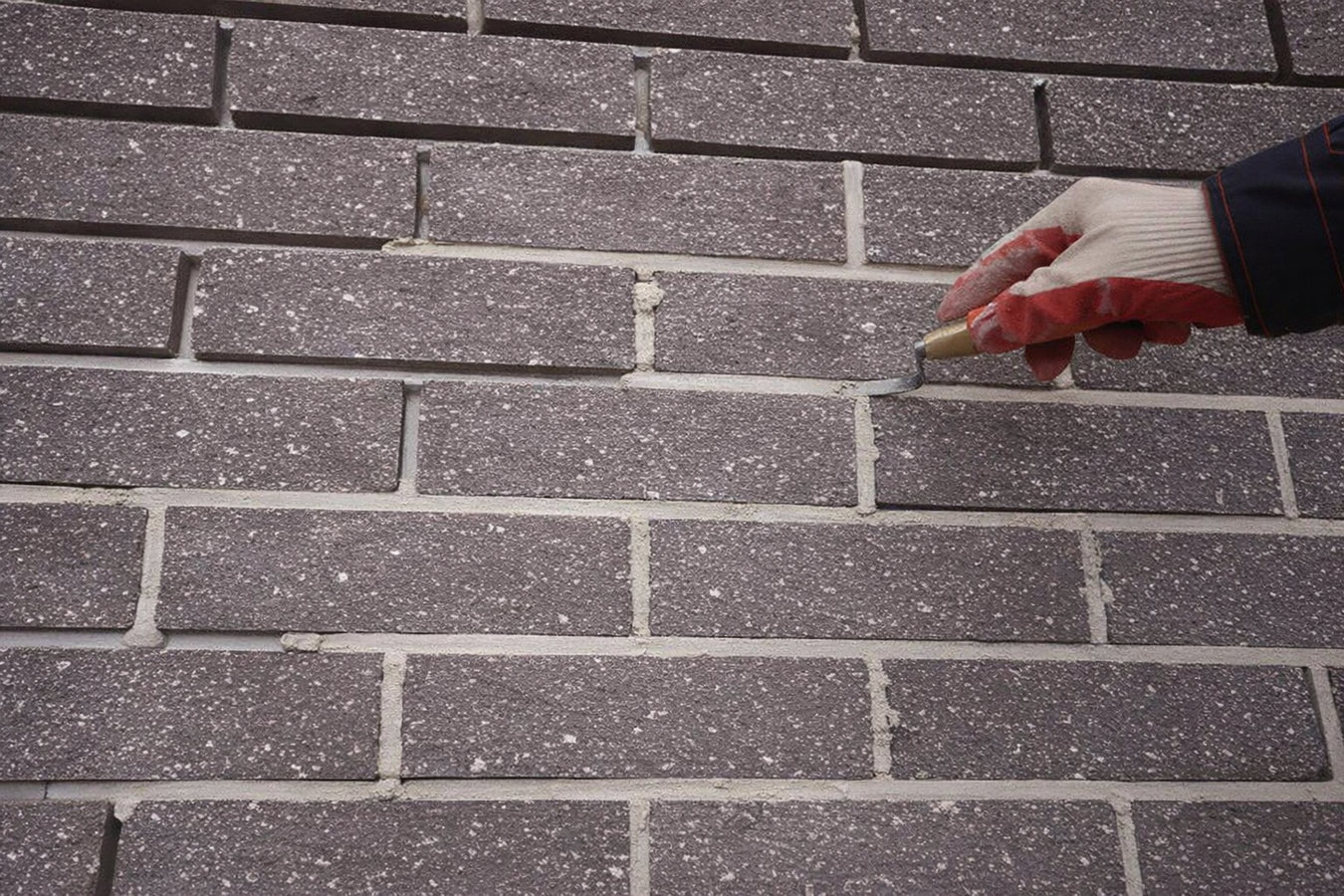
Brick pointing in Upland is the process of removing deteriorated mortar from between bricks and replacing it with a fresh matched mix - most single-story residential jobs are completed in one to three days with no permit required for standard maintenance work.
Many homes in Upland's older neighborhoods - particularly those near Euclid Avenue and the historic downtown built between the 1920s and 1960s - have original mortar that is now at or past the point where it needs attention. The hot, dry summers and Santa Ana wind events that Upland sees every year accelerate the natural breakdown of mortar, and older homes on south- or west-facing walls often deteriorate faster than the rest of the house.
Brick pointing is closely related to other services we offer. If your brick is cracked or damaged beyond just the mortar joints, our foundation repair and masonry restoration services address more structural issues. For ongoing maintenance, a pointing job every 20 to 30 years is far cheaper than the water damage that failed joints eventually allow inside.
Run your finger along the mortar lines on your brick wall. If the material crumbles away easily, feels soft, or you can see visible gaps, the mortar has broken down. This is the clearest sign that repointing is needed - and the sooner you act, the less likely you are to face bigger repairs to the bricks themselves or the interior wall behind them.
That chalky white residue on brick walls is mineral salt being pushed to the surface by water moving through the wall. In Upland's dry climate, this often shows up after the rainy season ends. It is a sign that water is getting in somewhere, and deteriorated mortar joints are the most common entry point. Left alone, it accelerates joint breakdown and can damage the bricks themselves.
Many of Upland's older homes near the historic core have original mortar that is now 50 to 70 years old. Mortar does not last forever, and if yours has never been touched, it is worth having a mason take a look - even if nothing looks obviously wrong yet. Catching it before the joints fail is always cheaper than waiting until water has already found its way inside.
The Inland Empire gets small earthquakes regularly, and Upland's proximity to active fault lines means even a modest shake can open up hairline cracks in mortar joints. If you felt a tremor recently and noticed new cracking in brick walls afterward, that is worth having assessed before the next rainy season - any gap becomes a water entry point when the rains arrive.
We repoint brick walls, chimneys, garden walls, and exterior facades on residential properties throughout Upland. The process starts by carefully grinding or chiseling out the old mortar to a consistent depth - typically around three-quarters of an inch - then packing in fresh mortar and shaping the joints to match the original profile. Mortar matching is one of the most important parts of doing this job right: the new mix needs to be compatible with your existing bricks so the repair works with the wall rather than against it. Using a mix that is too hard - a common shortcut - can actually crack the bricks over time.
For homeowners with older Upland homes that need more than just joint repairs, our foundation repair and masonry restoration services address structural problems that go beyond what pointing alone can fix. If the bricks themselves are damaged or loose, those services are the right starting point.
Best for homeowners with aging brick exterior walls - especially on older homes near Euclid Avenue where original mortar has reached the end of its life.
A good fit for homeowners whose chimney mortar is crumbling or pulling away - a common issue after years of Upland heat cycles and Santa Ana wind events.
Ideal for homeowners with brick garden walls, planter walls, or freestanding boundary walls where mortar joints have softened or cracked over time.
Upland has a large stock of homes built between the 1920s and 1960s, particularly in the neighborhoods near the historic downtown and Euclid Avenue corridor. The mortar used on homes from that era was often lime-based and more flexible than modern mixes - which means using the wrong replacement mortar today can actually crack those older bricks rather than protect them. The Brick Industry Association publishes guidance on mortar compatibility that any qualified contractor should be working from when repointing older masonry.
The seismic activity in this part of San Bernardino County adds another layer of complexity - even minor earthquakes loosen joints incrementally over years, and homeowners who have been through several small tremors should have their brick walls assessed before the rainy season. We serve homeowners throughout the area, including those in Ontario and Montclair who have the same combination of older housing stock and Inland Empire climate conditions.
We reply within one business day. We ask a few basic questions - how old is the home, which walls are affected, and whether you have noticed any water coming in. The estimate visit is free and there is no obligation.
We walk the affected walls closely, check how deep the damage goes, and assess what mortar type was originally used. Matching that original mix is the most important part of a lasting repair. A written estimate follows before any work is agreed to.
The crew carefully removes old mortar - this is the noisiest part of the job, usually a few hours - then packs in fresh mortar and shapes each joint to match the existing profile. Dust is normal and we clean up thoroughly before leaving.
Fresh mortar needs 24 to 48 hours before getting wet - in Upland's dry heat, we may mist the joints to slow the cure and prevent surface cracking. We do a full walkthrough with you at the end so you can see the work and ask any questions while we are still on site.
Free written estimate. No pressure. We reply within one business day.
(909) 755-8985We assess the original mortar type before mixing anything new - which is especially important on Upland's older homes near the historic core, where pre-1960 bricks are often softer and require a more flexible lime-based mix. Using the wrong mortar is one of the most common mistakes in this trade, and it leads to cracked bricks rather than repaired walls.
Upland's dry heat can draw moisture out of fresh mortar too fast, causing surface cracking that shortens the repair life. We schedule work during cooler parts of the day in summer and mist new joints as needed during the curing window - a small step that makes a meaningful difference in how long the repair lasts.
We walk through every step with you before we start and do a full walkthrough when we are done - so you can see the work, ask questions, and leave the conversation confident about what was done and what to watch for. The California Contractors State License Board allows you to verify any contractor's license and complaint history before you hire.
We know that Upland's combination of seismic activity, hot dry summers, and Santa Ana winds puts more stress on mortar than most other parts of the state. When we assess your walls, we look for the incremental loosening that small earthquakes cause over years - not just the obvious surface cracks - so nothing gets missed before the rainy season opens it up further.
Getting the mortar mix right, managing the cure in Upland's climate, and looking past the obvious surface damage is what separates a repair that lasts 20 to 30 years from one that needs to be redone in five. That is how we approach every pointing job in Upland.
Address structural movement and cracking at the foundation level before surface repairs can hold long-term.
Learn MoreRebuild, clean, and stabilize aging brick and stone structures that need more than mortar joint repairs alone.
Learn MoreUpland's rainy season does not wait - lock in your appointment now and close those mortar gaps before the weather turns.